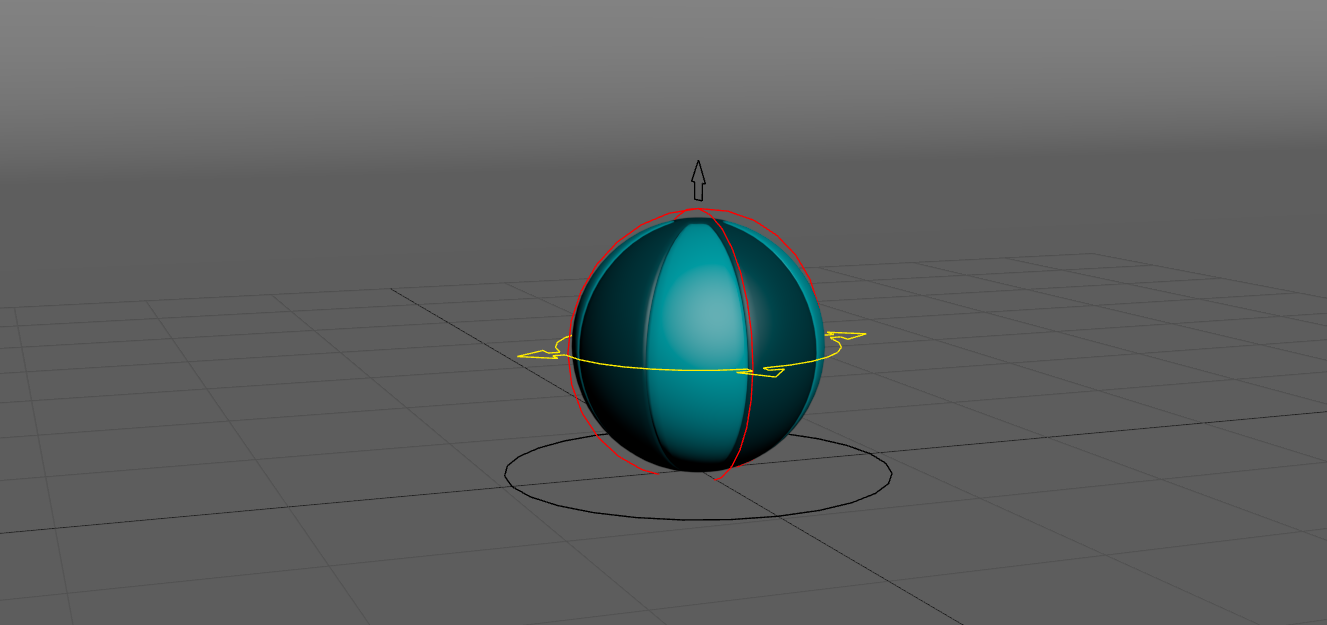
Ball
3ds MaxThe bouncing ball. Timing, spacing and squash and stretch, with nowhere to hide.
Six rigs that isolate one problem each: timing, overlap, follow-through, weight transfer, arcs, and finally all of it at once.
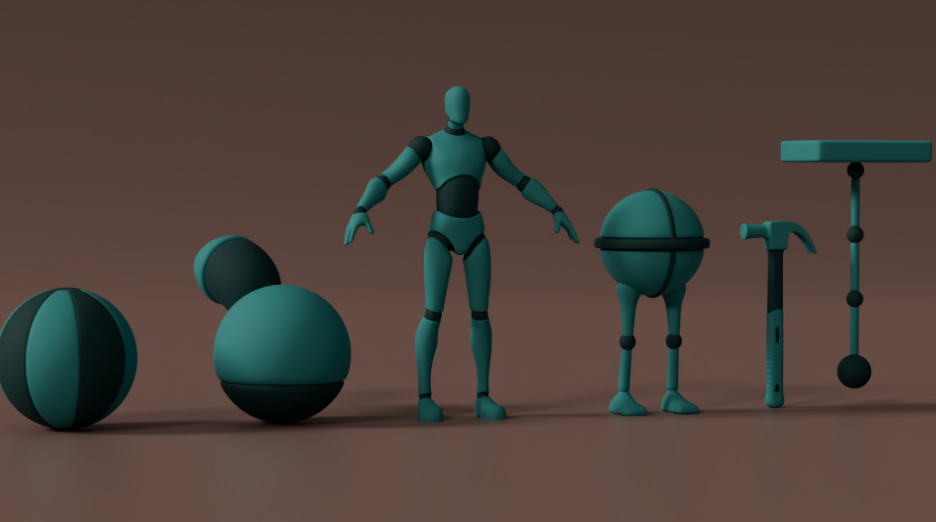
These are teaching rigs. Each one is deliberately impoverished. It can do less than a character rig, and that is the entire point. What a beginner needs is not more control but fewer places to hide.
The sequence matters more than any individual rig in it. Every stage adds exactly one new problem while keeping everything already learned in play, so a failure at any point is diagnosable: you know which variable was introduced last and therefore where the animation broke. Working through them out of order, or skipping ahead to the mannequin, produces the most common failure in self-taught animation: a student who can produce a plausible walk cycle but cannot say why a pose reads as weightless, because they never animated something with no legs to distract from the timing.
Ball removes everything except when things happen and how far apart they are. There is no anatomy, no appendage, no personality, only timing, spacing, and the deformation that follows from speed. Almost every problem a student will have three years from now is already present here in simplified form.
Pendulum fixes the base in space and hands over rotation. With translation removed, overlap and drag become the only things capable of carrying the motion, which is why they finally become visible.
Ball and Tail puts those two together: a translating base with something attached that has to answer to it. This is the first rig where one part of the object is required to disagree with another part, on purpose.
Ball and Legs introduces contact with the ground, and with it the whole question of weight transfer. The moment a character supports itself, the animator becomes responsible for where the mass is.
Hammer is about arcs and honest mass. A weighted head on a handle punishes straight-line paths and uniform speed more obviously than anything else in the set.
Mannequin removes the training wheels. Everything from the previous five is still required, simultaneously, on a figure that has enough joints to twin itself if you stop paying attention.
Animate the same exercise more than once rather than moving on when it works. The second attempt is where the learning is, because the first is usually spent finding out what the problem actually was.
Every rig here is free. Open the scene, and the controls are ready.
The bouncing ball. Timing, spacing and squash and stretch, with nowhere to hide.
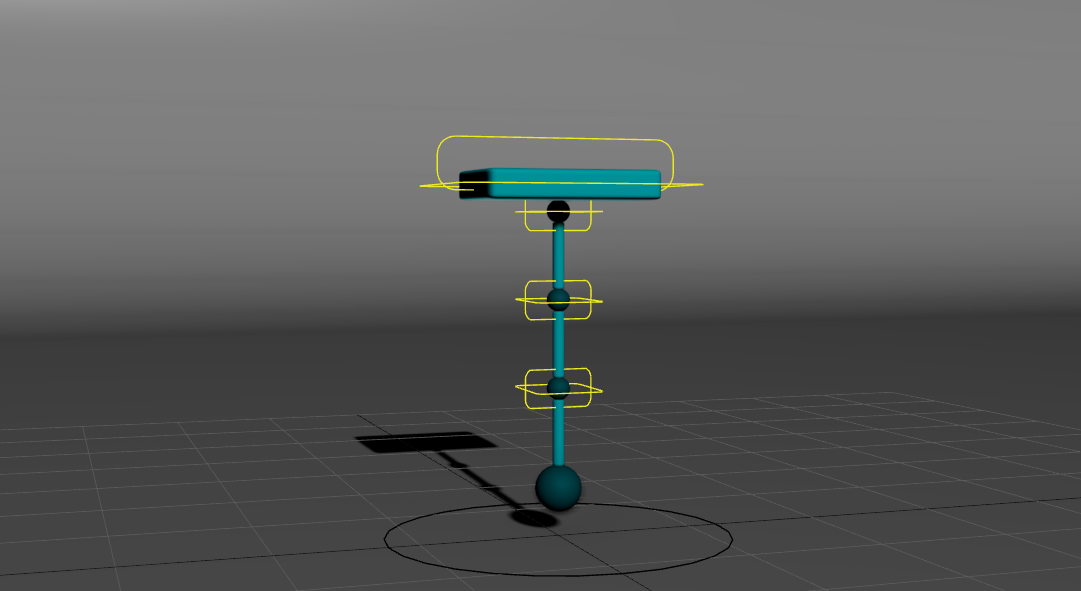
Overlap, drag and settle. The shortest route to understanding why things trail behind.
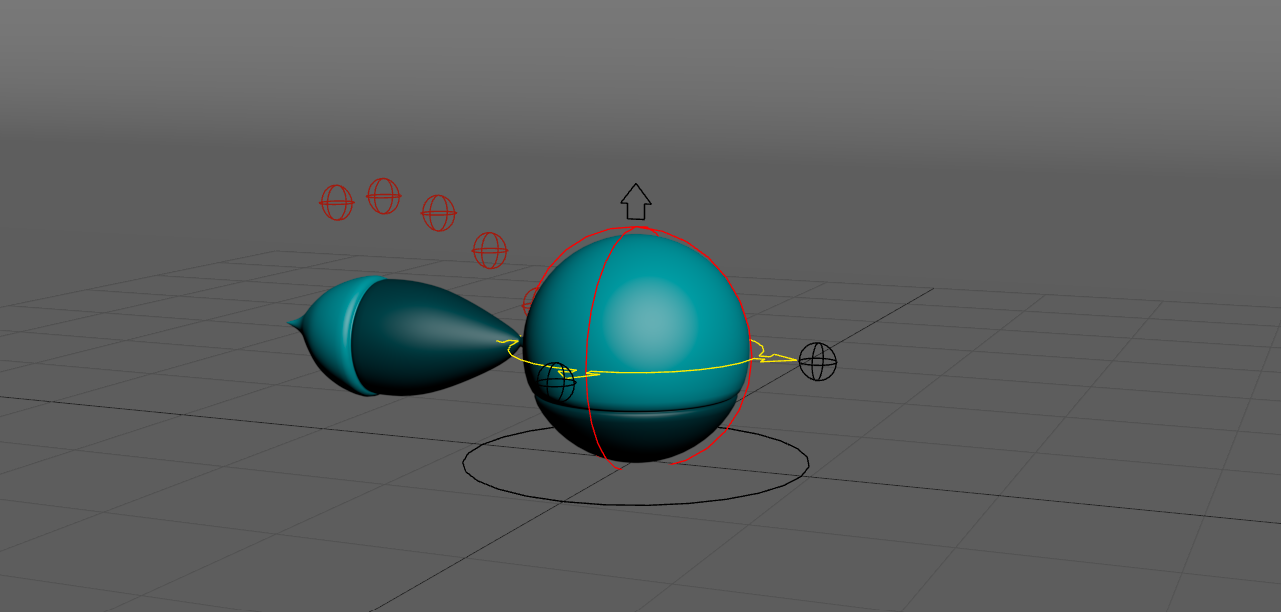
A bouncing ball with a chain of tail controls: overlap and follow-through on top of solid timing.
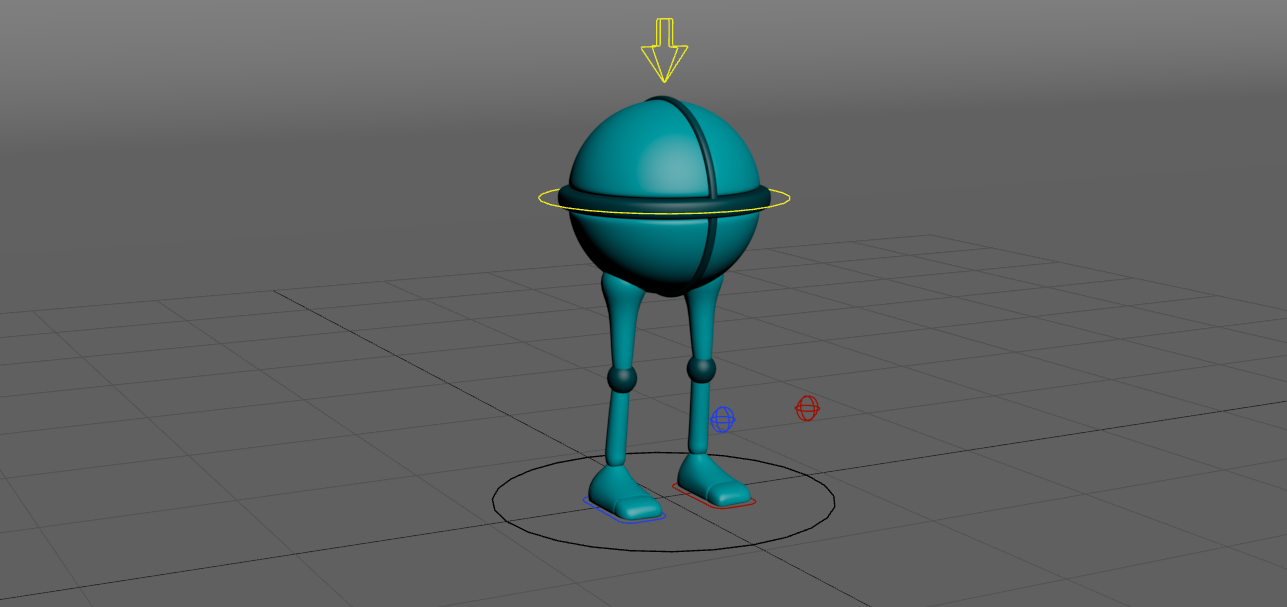
The first taste of locomotion: contact, weight transfer and stepping, without a full character to manage.
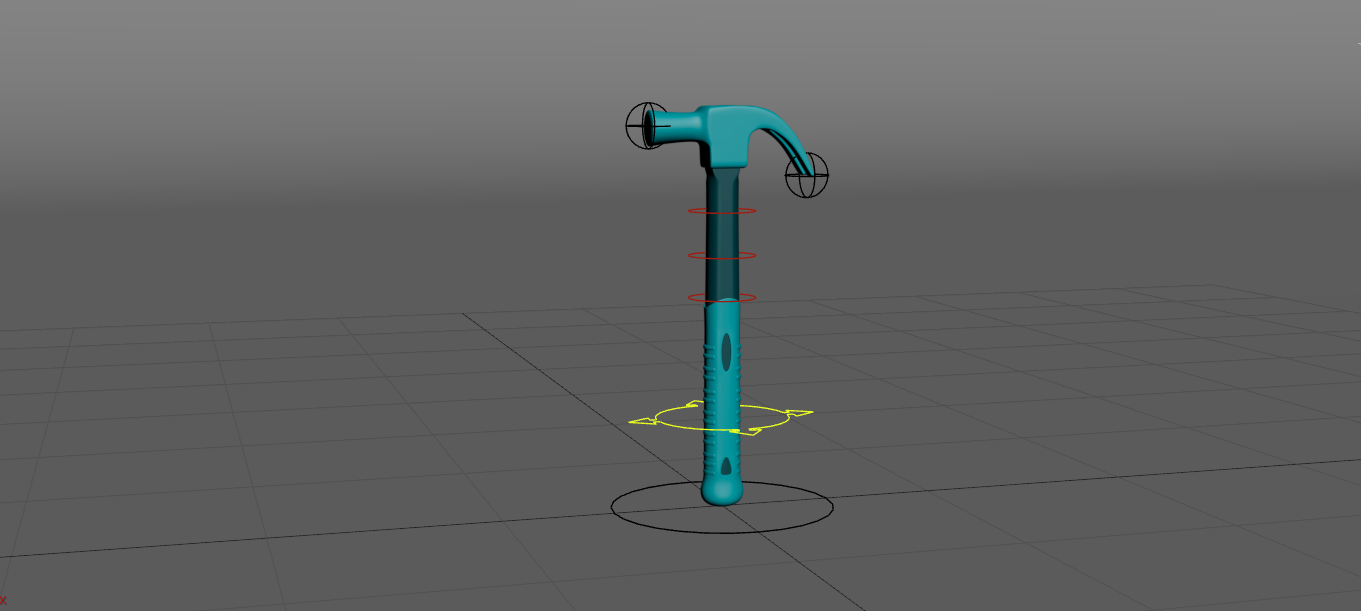
Arcs, anticipation and the feeling of real mass swinging through a scene.
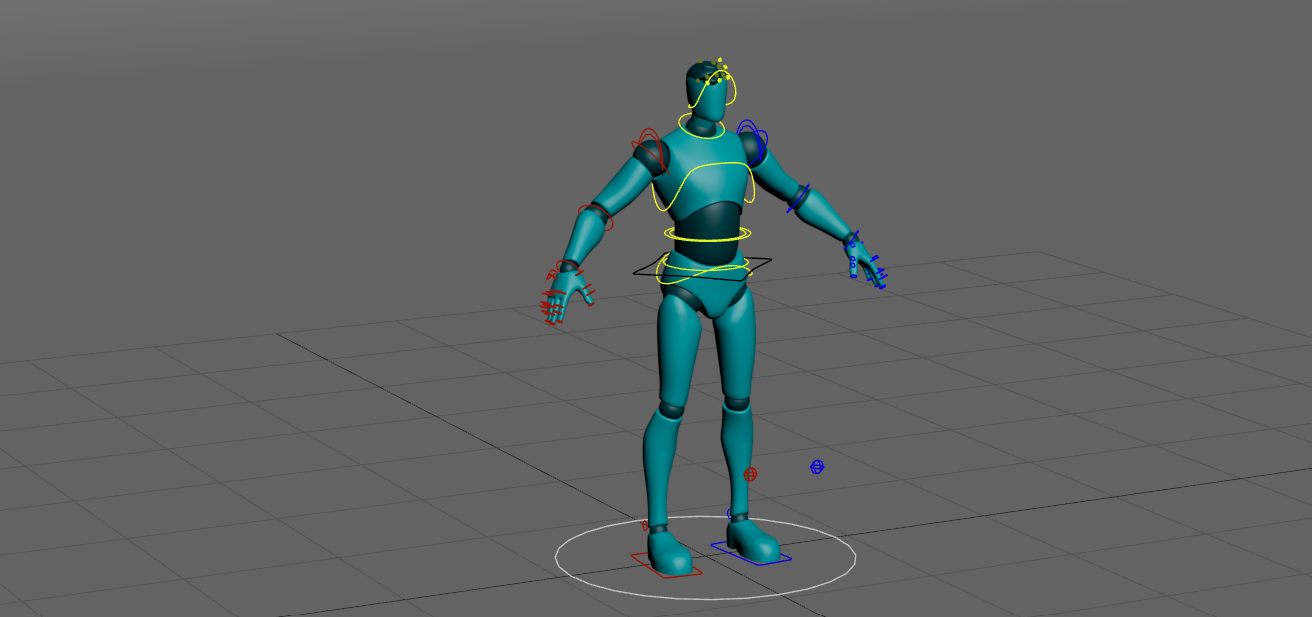
A full-body rig for putting all of the above together: poses, weight and full-figure mechanics.