Ball
The bouncing ball. Timing, spacing and squash and stretch, with nowhere to hide.
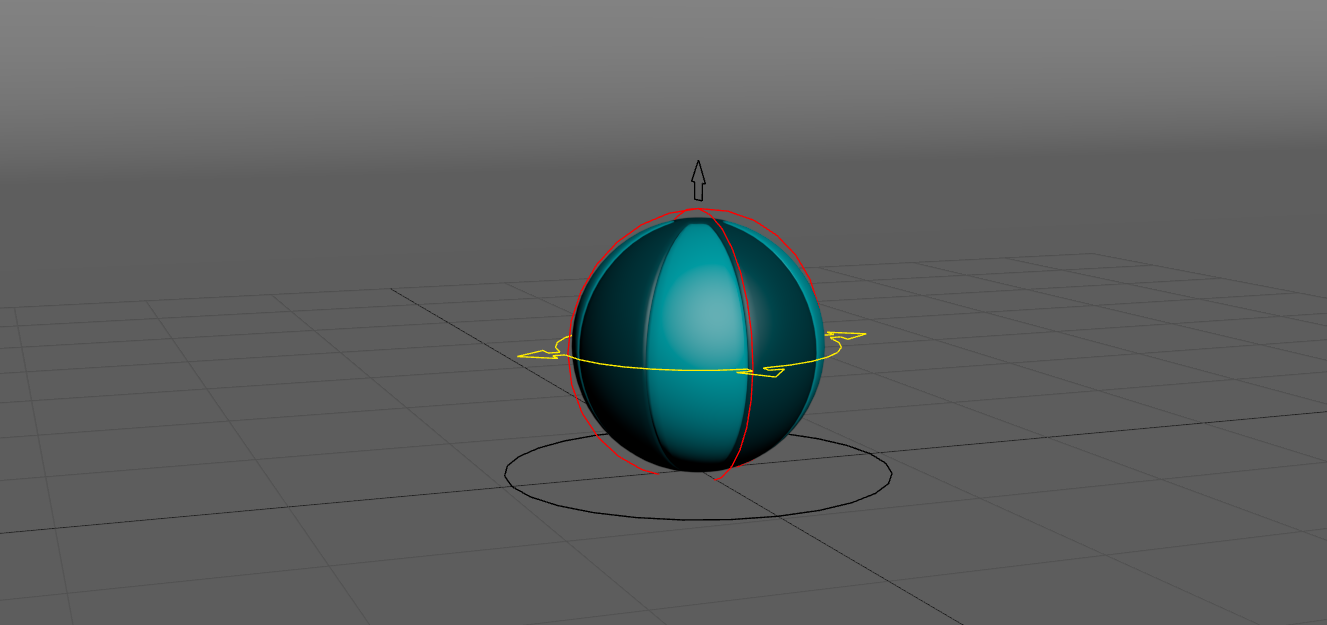
A ball has no face, no limbs and no story. Everything it communicates comes from when things happen and how far apart they are, which is why it remains the first exercise in almost every animation education worth the name. If a bouncing ball reads as heavy, it is because the timing says so, and nothing else is available to take the credit.
What it teaches
Timing and spacing are different things, and spacing does more work. Timing is how many frames an action occupies; spacing is how the object is distributed across them. Two bounces can occupy identical frame counts and read as completely different masses purely through spacing. Students reliably reach for timing first and spend a long time confused about why the weight is wrong.
Squash and stretch is a consequence, not a decoration. The ball deforms because of what is happening to it: stretched along its path when moving fastest, squashed at the moment of impact. Deformation applied evenly across a motion reads as a wobble, not as force.
Volume has to survive. A ball that squashes without widening reads as deflating. Whatever a shape loses in one axis it must gain in another.
Exercises
- A simple bounce across frame. Decaying height, constant horizontal travel. Get it working before adding anything.
- Two balls, same timing, different weight. Identical frame counts, identical arcs. Change only spacing and deformation. This is the exercise that makes the distinction land.
- A bounce that ends. Bring it to rest. Settling is harder than bouncing and is where most attempts fall apart.
- Break the arc deliberately. Animate one bounce with a straight path so you can feel how wrong it looks.
What to watch for
- Even spacing anywhere reads as mechanical. Real motion accelerates and decelerates constantly.
- Contact frames are the most important frames in the shot. If the ball is not at its most deformed and most compressed at impact, the impact did not happen.
- The apex is where the ball spends the most frames and moves the least. Rushing it removes the sense of gravity.
- Decay should shorten both the height and the time between bounces. Heights alone is the tell of a beginner.
The most common failure
Squash and stretch applied everywhere, all the time. The ball becomes rubbery rather than heavy. Deformation belongs at the extremes of speed and at contact, and the frames in between should be closer to neutral than students expect.
Once this rig behaves, move to the Pendulum, which takes the translation away and leaves you with rotation.